





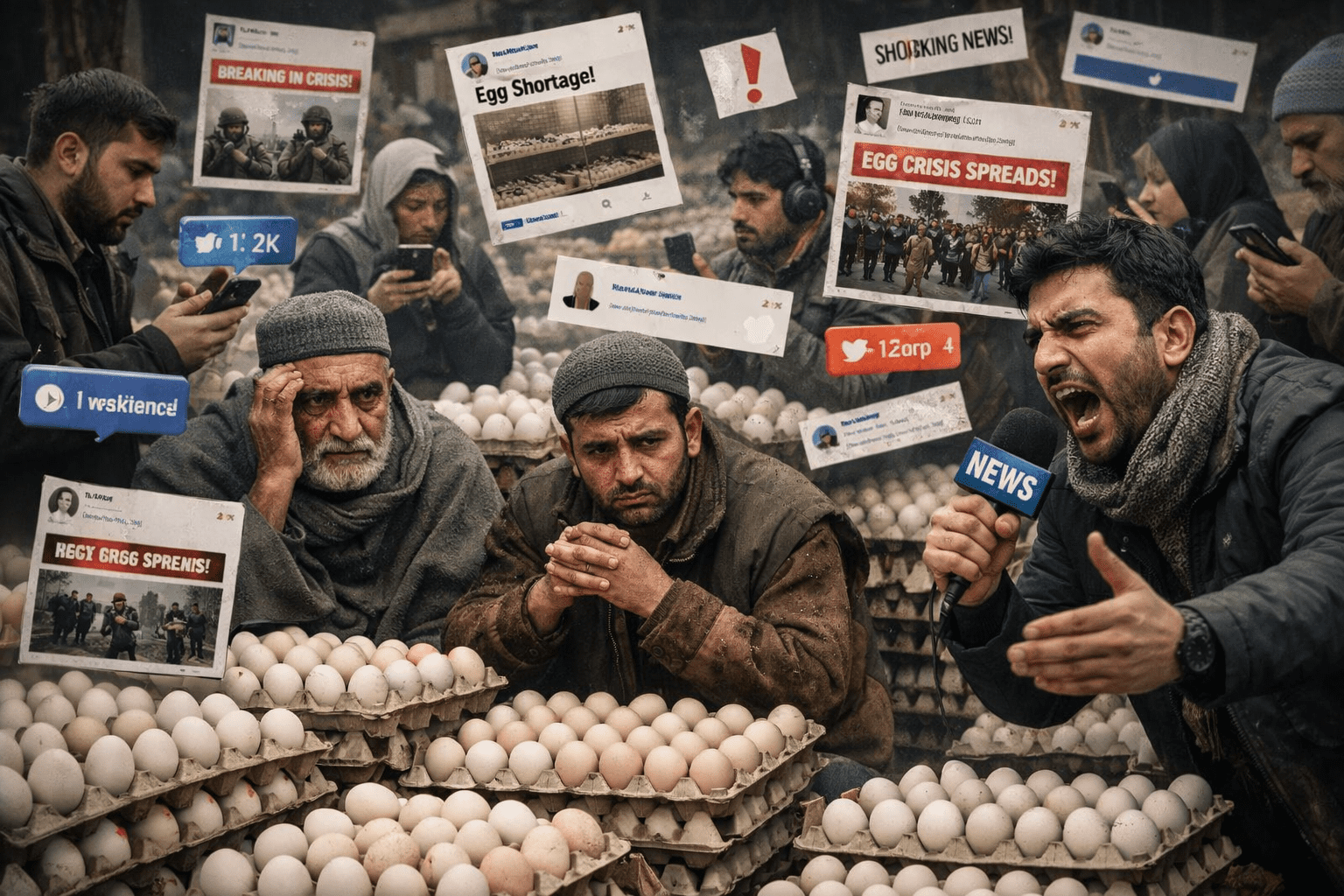
A wave of fear swept across Kashmir’s markets from 3 weeks after social media platforms were flooded with alarming claims that “eggs cause cancer”, triggering panic among consumers and severely affecting poultry sales all before facts could even reach the shell.
What started as a specific concern linked to eggs of a particular brand, “Eggoz” quickly snowballed into a sweeping misinformation portraying all eggs as dangerous. The distortion, amplified by self-styled “Facebook journalists”, ignored basic journalistic principles “verification, context and responsibility”, turning a limited issue into a public health scare.
Local poultry vendors reported a sudden drop in sales as frightened consumers avoided eggs altogether. “People were scared even to touch eggs,” said a shopkeeper in Srinagar. “No one asked which brand, no one checked facts. They just saw Facebook posts.”
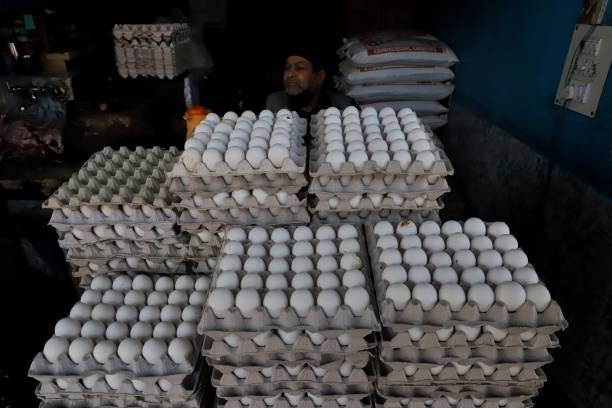
Contrary to viral claims, no advisory was issued declaring all eggs unsafe. The concern raised online related to alleged substandard samples of a specific company, not the poultry industry as a whole. Yet, social media posts generic egg box images completely unrelated to the alleged issue were freely used as background visuals, conveniently sacrificing the livelihoods of local poultry vendors for higher engagement.
In a corrective intervention, the Food Safety and Standards Authority of India (FSSAI) stepped in to clarify that eggs are safe for consumption and that claims linking eggs broadly to cancer are misleading and scientifically unfounded. The authority reiterated that India follows strict food safety standards and that trace detections, often sensationalised online, do not automatically imply health risks.
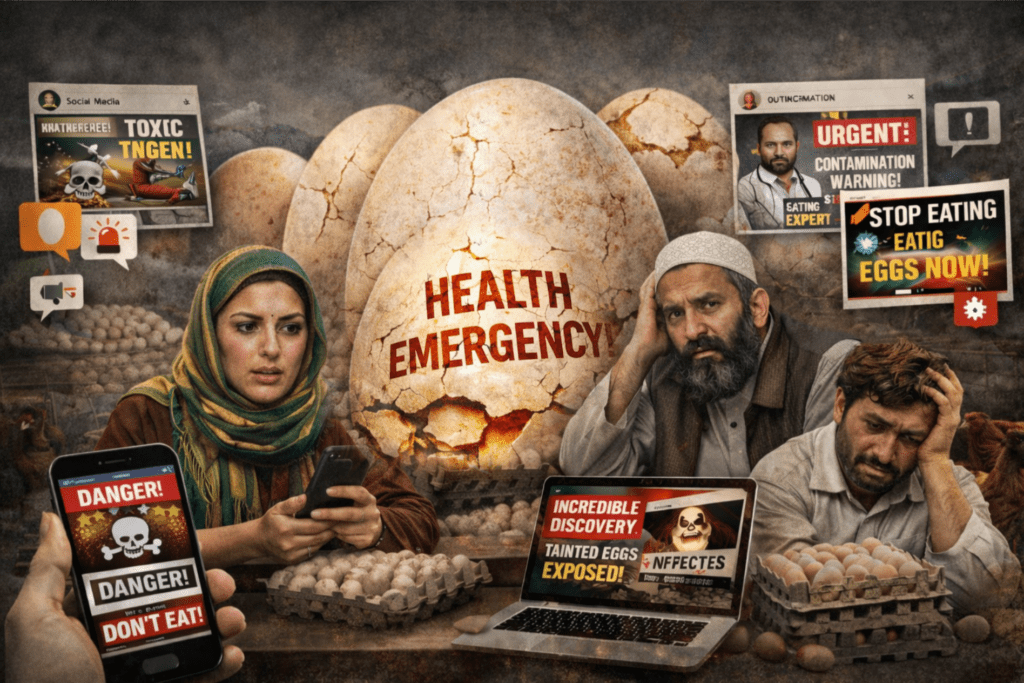
The episode has once again raised serious concerns about the collapse of ethical journalism on social media platforms. Experts point out that journalism is not about virality, but about responsibility.
Publishing half-truths, failing to distinguish between a specific brand issue and general food safety, and ignoring official sources violates the most basic norms of journalism. “This was not reporting; it was reckless amplification,” said a media analyst.
The unchecked spread of misinformation not only endangered public trust but also hurt farmers, vendors and daily wage earners connected to the poultry supply chain a cost rarely acknowledged by those spreading fear online.
While authorities have clarified the facts, the damage underscores a growing challenge: anyone with a Facebook page can play journalist, but without accountability. In the race for likes and shares, facts were scrambled long before eggs ever were.
As Kashmir slowly returns to its normal breakfast routine, the incident serves as a reminder that journalism without ethics is not journalism it is noise, and in sensitive societies, such noise can cause real harm.